
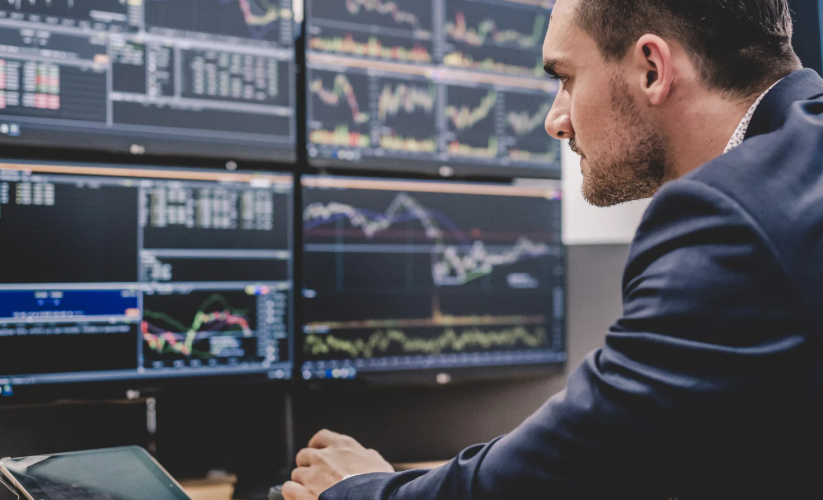
Control emotions trading by understanding that market decisions become harder when real money, uncertainty, and pressure collide. A trader may study charts calmly before entering, but everything can change once price starts moving. Fear may appear after a small pullback. Greed may rise after a quick gain. Frustration may build after a missed setup. If those emotions decide the next move, even a good strategy can lead to poor results.
Trading is not only about entries, exits, indicators, or market news. It is also about behavior. A trader can know the right setup and still enter too early. Another trader can place a correct stop-loss and still move it when the trade turns red. Someone else can reach a profit target and still hold too long because they want more. These mistakes usually do not come from lack of intelligence. They come from emotional pressure.
The goal is not to remove emotions completely. That would be unrealistic. Markets create uncertainty, so feelings will always appear. However, traders can build systems that stop emotions from taking control. With clear rules, planned risk, review habits, and a calmer routine, it becomes easier to trade from structure instead of impulse.
For more support, you can read our internal guide on trading psychology basics or our article on risk management for traders. For outside learning, resources from Investor.gov and FINRA can help traders understand market risk, fraud warnings, and smarter decision-making.
Why Emotions Control Trading Decisions
To control emotions trading effectively, you first need to understand why emotions become so powerful. Trading decisions happen under incomplete information. No trader knows with certainty whether the next candle will confirm the setup, reverse sharply, or move sideways. Because money is involved, the brain treats each outcome as important and sometimes urgent.
Fear often appears when capital feels threatened. A small loss can feel bigger than it is, especially after a losing streak. Greed appears when profit feels close and the trader wants more. Regret shows up after missed trades, poor exits, or losses that feel avoidable. Each emotion can push the trader toward action, even when waiting would be smarter.
These reactions can distort the chart. After a loss, a valid setup may look too dangerous. After a win, a weak setup may look unusually attractive. When a trade is profitable, holding may feel obvious even if the original target has arrived. As a result, the trader is no longer reading only the market. They are also reading their own emotional state into the market.
Emotions Are Signals, Not Instructions
Emotions are not always useless. Fear may warn that the position is too large. Greed may show that the trader is becoming attached to profit. Frustration may reveal that expectations are unrealistic. The problem begins when these feelings become instructions.
A better approach is to treat emotion as a signal to pause. If fear appears, check the risk. If greed appears, check the target. If frustration appears, check whether the next trade is valid or only a reaction. This turns emotion into information instead of allowing it to become the decision-maker.
Control emotions trading habits begin with this pause. The pause does not need to be long. Even a few seconds can create space between feeling and action.
Build a Trading Plan Before Pressure Rises
A trading plan protects decision-making before emotions become intense. Without a plan, each price move creates a new question. Should you enter now? Should you exit now? Should you add more? Should you wait? Under pressure, these questions can lead to impulsive action.
A good plan should define the markets you trade, the setups you use, the time frames you follow, and the risk you accept. It should also explain when you should not trade. Clear rules reduce emotional interpretation because the trade either fits your plan or it does not.
Start with the setup. What must happen before you enter? Maybe price must break resistance with volume. Perhaps it must pull back to support in an uptrend. It might need to reject a key level or confirm a reversal. Whatever the method, it should be specific enough to repeat.
Define Entries, Exits, and Invalidation
To control emotions trading in live market conditions, define the entry, stop-loss, target, and invalidation point before entering. The entry tells you when the setup becomes active. The stop-loss shows where the trade idea no longer makes sense. The target gives profit a planned destination. The invalidation point keeps you from holding based on hope.
This structure matters because emotional decisions often happen when rules are vague. If you do not know where the trade is wrong, you may keep moving the stop. If you do not know where profit makes sense, greed may keep you in too long. If the entry is unclear, you may chase late moves.
A plan will not make every trade win. However, it helps you judge your execution. Over time, consistent execution gives you better data than random emotional trading.
Use Position Size to Reduce Emotional Pressure
Position size affects emotions more than many traders realize. When a trade is too large, every tick feels important. A normal pullback can create panic. A small profit can feel too valuable to risk. The trader may exit too early, move stops, or stare at the chart nonstop.
Smaller position sizes make it easier to follow the plan. The trade still matters, but the possible loss feels manageable. When risk is controlled, the trader can think more clearly. This does not guarantee profit, but it reduces the emotional pressure that often ruins execution.
A fixed risk rule can help. Some traders risk a small percentage of their account on each trade. Others use a fixed dollar amount. The exact number depends on account size, experience, market volatility, and strategy. However, the key is consistency.
Match Size to Volatility
Volatile markets may require wider stops. A wider stop should not mean a larger loss. Instead, reduce position size so the total risk stays within your rule. This keeps the trade manageable even when price movement expands.
Control emotions trading routines become easier when the possible loss is acceptable before the trade begins. If you cannot calmly accept the planned loss, the position is probably too large or the setup is not clear enough.
Before every entry, ask one simple question: can I accept this loss if the trade fails? If the honest answer is no, adjust the trade before entering. This question can prevent many emotional mistakes.
Create Rules for Fear, Greed, and Frustration
Different emotions create different mistakes, so each one needs a rule. Fear often causes early exits, hesitation, and stop-loss changes. Greed causes chasing, oversizing, overtrading, and holding beyond targets. Frustration creates revenge trades after losses or missed opportunities.
A fear rule might say that you cannot exit early unless the setup has clearly changed. Before closing a trade, check whether price broke a key level, volume shifted, or the original reason for entry failed. If nothing meaningful changed, the urge to exit may be emotional.
A greed rule might say that you cannot enter after price has moved beyond your planned risk zone. If the entry is late and risk-to-reward is weak, skip it. You can also require profit-taking at planned levels unless the trade gives a clear reason to trail.
Use Cooling-Off Rules After Losses
Frustration needs strong boundaries. After a loss, wait a set amount of time before taking another trade. After reaching a daily loss limit, stop trading completely. These rules prevent one mistake from becoming a chain of emotional decisions.
Revenge trading often begins with the belief that you need to recover quickly. However, the market does not care about your last trade. The next trade should stand on its own. If the setup would not make sense without the previous loss, it is probably not worth taking.
Control emotions trading discipline grows when every emotion has a response plan. Instead of hoping you stay calm, you decide what to do when calm disappears.
Use Checklists to Slow Down Impulse
A checklist is one of the simplest ways to reduce emotional trading. It forces the trader to confirm the setup before clicking buy or sell. This short pause can stop many impulsive entries and exits.
Your checklist should be brief. Include trend direction, setup type, entry trigger, stop-loss, target, risk-to-reward, position size, and emotional state. If the trade fails several items, skip it. If it passes, you can act with more confidence.
The emotional state question is important. Ask whether you are calm, rushed, angry, greedy, fearful, or trying to recover. This does not mean you can only trade when you feel perfect. It means you must notice when emotion is becoming too strong.
Make the Checklist Part of Execution
A checklist works only if you use it consistently. Keep it visible near your trading screen. Before each trade, run through it in the same order. This builds a habit and makes discipline easier during pressure.
Control emotions trading processes should be simple enough to use in real time. A complicated checklist may fail when the market moves quickly. A short checklist that catches the biggest mistakes is usually better than a long one that gets ignored.
After each trading session, review whether the checklist prevented weak trades. If it did, keep using it. If some mistakes still slip through, adjust the checklist slowly.
Keep a Trading Journal for Emotional Patterns
A trading journal helps you see patterns that memory hides. Many traders remember big wins and painful losses, but they forget the emotional details that led to them. A journal shows whether your decisions followed the plan or came from impulse.
Record the setup, entry, stop, target, position size, result, and reason for exit. Then add a short note about emotion. Were you afraid? Excited? Frustrated? Overconfident? Bored? Did you chase? Did you hesitate? Did you move the stop?
Over time, the journal reveals repeated triggers. You may find that you trade worse after two losses. Perhaps you overtrade after one strong win. Maybe you chase when social media is loud. These patterns are valuable because they show where your rules need to improve.
Review Without Self-Criticism
A journal should not become a place for self-attack. Shame often makes traders avoid review. Instead, treat every trade as data. A loss can be acceptable if it followed the plan. A win can still be a warning sign if it came from reckless behavior.
Control emotions trading improvement depends on honest review. Once a week, look for one pattern to address. Do not try to fix everything at once. Choose one behavior, create one rule, and practice it in the next session.
Small improvements matter. If you reduce one repeated mistake, your trading process becomes stronger.
Build a Calm Trading Routine
A calm routine prepares the mind before the market opens. Traders often focus on what happens during a trade, but the emotional state before trading matters too. If you begin the session tired, rushed, angry, or desperate, the market can amplify that feeling.
Start by reviewing key levels, market news, possible setups, and risk limits. Decide which conditions would justify a trade. Also decide when you will stop. These choices create boundaries before emotions rise.
A short mental check can help. Rate your focus, energy, and emotional state. If you feel distracted or overly stressed, reduce size or skip the session. Protecting your decision quality is part of protecting your capital.
Control Your Trading Environment
Your environment can either support discipline or increase emotional reactions. Too many alerts, chat rooms, open positions, and social media feeds can create urgency. A cleaner setup can help you think more clearly.
Use alerts for key levels instead of watching every tick. Close distractions during active trades. Avoid reading opinions that make you doubt your plan while a trade is open. After the session, step away before reviewing results.
Control emotions trading habits become easier when your environment supports calm execution. The fewer unnecessary triggers you face, the easier it is to follow your rules.
Practice Accepting Uncertainty
Many emotional mistakes come from the desire for certainty. Traders want to know the trade will work before entering. They want a losing trade to recover. They want a winning trade to keep running. However, markets do not offer certainty. They offer probabilities.
Accepting uncertainty does not mean trading randomly. It means understanding that even a good setup can lose. Once you accept that, a planned loss becomes less personal. It is simply part of the process.
This mindset can reduce fear. If you expect every trade to be uncertain, you no longer treat a loss as proof that something is wrong with you. You can review the trade calmly and ask whether the process was followed.
Think in Series, Not Single Trades
One trade does not define your skill. A strategy needs many trades to show whether it has an edge. When traders judge themselves by one outcome, emotions become stronger. A single loss feels like failure, and one win feels like proof.
Control emotions trading means thinking in series. Did you follow your rules across many trades? Did your risk stay controlled? Did your mistakes decrease? These questions matter more than one result.
When you think this way, each trade becomes less emotionally heavy. That makes discipline easier.
Know When to Stop Trading
Stopping is a skill. Many traders keep going when their best decision-making is already gone. After a loss, they want to recover. After a win, they want more. After boredom, they want action. These moments can lead to poor trades.
Set stopping rules before the session. You might stop after a maximum daily loss, a maximum number of trades, or a clear emotional trigger. If you notice anger, panic, or revenge urges, stepping away can protect the account.
Stopping after a strong win can also be wise. Overconfidence can appear quickly after profit. If you keep trading only because you feel unstoppable, greed may be taking over.
Protect Mental Capital
Trading uses mental energy. Fast markets, losses, and constant screen time can drain focus. When mental energy drops, discipline weakens. Protecting mental capital means taking breaks, using alerts, and ending sessions before frustration controls you.
Control emotions trading success depends on knowing when more trading will not help. Sometimes the best decision is to close the platform, review later, and return with a clearer mind.
A trader who stops at the right time is not quitting. They are managing risk.
Conclusion
Emotional control is not about pretending you do not feel fear, greed, frustration, or regret. It is about building systems that keep those feelings from running the trade. Markets will always create uncertainty, and uncertainty will always create emotion. The difference comes from how you respond.
The best way to control emotions trading is to prepare before pressure rises. Use a written plan, fixed risk rules, checklists, stop-losses, targets, journals, and routines that support calm execution. Keep position size manageable, review your emotional patterns, and create rules for the moments when you are most likely to break discipline.
You do not need perfect confidence to trade well. You need a process that works even when confidence fades. Over time, emotional control becomes a skill built through repetition. With patience and structure, traders can make clearer decisions, protect capital, and follow their plan with greater consistency.
FAQ
1. Why Do Traders Struggle With Emotions?
Traders struggle with emotions because money is at risk and outcomes are uncertain. Fear, greed, and frustration can push people to act before they think clearly.
2. How Can I Stop Making Impulsive Trades?
Use a short checklist before every trade. Confirm the setup, entry, stop-loss, target, position size, and emotional state before taking action.
3. What Is the Best Way to Handle Fear While Trading?
Reduce position size, define the stop-loss before entry, and accept the planned risk. Fear often becomes easier to manage when the possible loss is controlled.
4. Can a Trading Journal Improve Emotional Control?
Yes, a journal can reveal emotional patterns that repeat over time. It helps traders see when fear, greed, or frustration affects their decisions.
5. When Should I Stop Trading for the Day?
Stop when you hit your daily loss limit, reach your trade limit, feel emotionally reactive, or notice that you are no longer following your plan.