
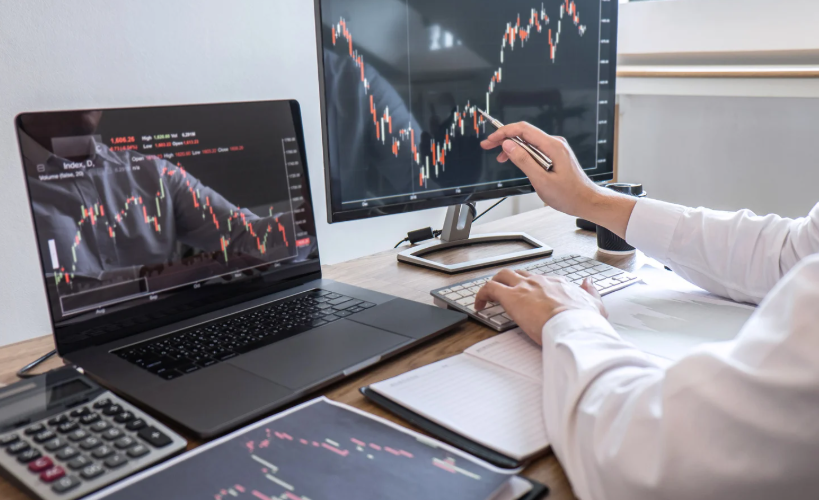
Trade timing emotions can quietly damage even the best trading plan. A trader may study the chart, set a clear entry, define a stop, and understand the risk. Yet when price starts moving, fear and excitement can take over. Instead of following the setup, the trader enters too early, exits too soon, chases a move, or freezes when action is needed. This is why timing is not only a technical skill. It is also an emotional skill.
Many traders believe they only need a better strategy. However, a strong strategy still fails when execution breaks down. The market can move fast, especially around news, earnings, economic reports, or sudden shifts in sentiment. During those moments, the brain often wants immediate relief. Fear wants safety. Greed wants more profit. Regret wants to fix the last mistake. Together, these emotions can push traders away from their rules.
Poor timing often looks like a chart problem, but it usually starts in the mind. A trader buys after the move is already extended because missing out feels painful. Another trader sells too early because a small profit feels safer than waiting. Someone else holds a losing trade because closing it would confirm the mistake. These choices may feel logical in the moment, yet they often come from emotional pressure.
For more support, you can read our internal guide on trading psychology basics or our article on risk management for traders. For outside learning, resources from Investor.gov and FINRA can help traders understand market risk, fraud warnings, and better decision-making.
Why Trade Timing Emotions Matter
Trade timing emotions matter because timing decisions happen under pressure. Before a trade, everything feels easier. You can analyze the chart, compare levels, check volume, and plan calmly. Once money is at risk, the same setup can feel very different. A normal pullback may feel like danger. A quick move in your favor may create fear of losing the gain. A missed entry may trigger urgency.
This emotional pressure can make traders abandon their own evidence. Instead of waiting for confirmation, they jump in early. Rather than accepting a planned loss, they move the stop. Instead of taking profit near a target, they hold without a reason. Over time, small emotional choices can become a pattern.
Timing is especially vulnerable because it feels urgent. Markets move without waiting for anyone. A candle breaks out, a price level fails, or a news headline hits. The trader feels forced to act quickly. However, fast action is not always smart action. Good timing comes from preparation, not panic.
Emotions also distort how traders read the same chart. After a win, the next setup may look better than it really is. After a loss, a valid setup may look too dangerous. Because of this, the trader is no longer seeing the market clearly. They are seeing the market through the last emotional experience.
Emotional Timing Creates Hidden Costs
The cost of emotional timing is not always obvious. One late entry may only cause a small loss. One early exit may still produce profit. However, repeated timing mistakes can reduce long-term performance. They can also weaken confidence, which creates even more hesitation.
Bad timing also changes risk-to-reward. If a trader enters late, the stop may need to be wider. If the target stays the same, the trade becomes less attractive. A setup that looked strong before may become weak after the emotional entry.
Better timing begins when traders accept that emotions are part of the process. The goal is not to eliminate feelings. Instead, the goal is to prevent feelings from making the decision.
Fear and the Urge to Exit Too Soon
Fear is one of the strongest forces in trading. It appears when money is at risk and the outcome is uncertain. Even a small position can create stress if the trader is not prepared. When fear rises, the mind often searches for safety, even if the trade still follows the plan.
One common fear-based mistake is exiting too early. A trader enters a good setup, then sees price move slightly against them. The original stop has not been hit. The setup has not failed. Still, the trader closes the trade because the discomfort feels too strong. Moments later, the market may move in the expected direction.
Fear can also appear after a trade moves into profit. Instead of following the target, the trader closes the position quickly to protect the gain. This may feel responsible. However, if it happens too often, winners stay small while losses remain normal. That pattern can damage results even when the trader has a decent strategy.
Trade timing emotions often become stronger after recent losses. A trader who just lost money may hesitate on the next setup. They may enter late because they waited too long for reassurance. Unfortunately, markets rarely provide perfect comfort. By the time the trade feels safe, the best entry may already be gone.
Use Planned Risk to Calm Fear
Fear becomes easier to manage when risk is defined before the trade. A clear stop-loss tells you where the idea is wrong. A position size limit tells you how much you can lose. A planned target tells you when profit-taking makes sense.
Small position sizes can also improve timing. When the risk is too large, every price tick feels important. Smaller risk gives the trader room to follow the plan. It also reduces the need to escape every uncomfortable move.
A written pre-trade checklist can help. Before entering, write the setup, entry level, stop, target, and reason for the trade. If fear appears later, review the checklist before acting. This creates a pause between emotion and decision.
Greed and the Pull of Late Entries
Greed often feels like confidence, but it can damage timing quickly. It usually appears when price is moving fast and the trader wants to join before it is too late. The move looks obvious. Other traders seem excited. Social media may be talking about it. Suddenly, waiting feels foolish.
This is where chasing begins. A trader enters after the price has already moved far from a good level. Because the entry is late, the stop becomes awkward. If the trader uses a tight stop, normal movement may knock them out. If they use a wide stop, the loss may become too large.
Greed can also make traders ignore their original target. A trade reaches the planned profit area, but the trader wants more. Sometimes the market continues. Yet if the decision has no new evidence, the trader is not managing the trade. They are hoping.
Trade timing emotions can make profit feel like proof of skill. After a few wins, a trader may increase size too quickly or take setups that do not meet the plan. This confidence can disappear fast when the market changes. One oversized trade can erase several careful wins.
Let Rules Control Profit Decisions
Profit rules help reduce greed. A trader can decide in advance where to take partial profit, move a stop, or close the position. This does not remove flexibility. It simply keeps flexibility tied to evidence.
A useful question is, “Would I enter this trade here if I were not already in it?” If the answer is no, holding only for more profit may be emotional. That question can reveal when greed has taken over.
Another helpful rule is to avoid entering after a move has already stretched too far. Waiting for a pullback or a cleaner setup may feel frustrating. However, patience often protects risk-to-reward.
Regret, Revenge, and the Need to Fix a Trade
Regret is a quiet but dangerous emotion. It appears after a missed trade, a poor exit, or a loss that feels avoidable. The trader starts thinking about what should have happened. Then the next trade becomes less about opportunity and more about repair.
Revenge trading often begins this way. A trader loses money, then immediately looks for another setup to win it back. The new trade may not meet the plan. Still, the urge to recover feels strong. This can lead to rushed entries, larger position sizes, and poor timing.
Regret can also make traders chase missed moves. If the market runs without them, they may enter late just to avoid feeling left behind. Unfortunately, the market does not reward emotional catch-up trades. Late entries often appear near exhaustion points.
Trade timing emotions become especially risky when regret mixes with pride. A trader may refuse to accept that the setup failed. They may move the stop, add to a losing position, or wait for a recovery that never comes. What began as a timing mistake can become a much larger loss.
Separate the Next Trade From the Last Trade
The next trade should not carry the emotional weight of the last one. Before entering again, pause and review the setup. Ask whether the trade meets your rules. If the only reason is to recover money, step away.
A maximum daily loss rule can also protect you. Once you hit the limit, stop trading for the day. This rule prevents frustration from turning into a spiral. It also gives your mind time to reset.
Reviewing trades after the session can reduce regret. During the trade, emotions are too strong. Later, you can study what happened more calmly. This helps turn mistakes into lessons instead of revenge.
Impatience and the Problem of Acting Too Early
Impatience causes traders to enter before the setup is ready. They may see a price approaching support and buy before confirmation. They may expect a breakout and enter before resistance clears. Sometimes early entries work, but often they create unnecessary risk.
The market spends a lot of time doing nothing. Prices consolidate, retest levels, and move sideways. This can frustrate traders who want constant action. When boredom builds, any small movement can look like an opportunity. However, trading out of boredom is rarely a strong plan.
Impatience also affects exits. A trader may close a position before the target because price is moving slowly. The setup is still valid, but waiting feels uncomfortable. Later, the trade reaches the target without them. This creates frustration and can lead to poor entries on the next trade.
Trade timing emotions can make inactivity feel like failure. Many traders feel they must always be doing something. Yet waiting is part of trading. A good trader is not paid for activity. A good trader is rewarded for quality decisions.
Build Patience Into the Plan
Patience becomes easier when your setup has clear requirements. For example, you may need a close above resistance, a confirmed pullback, or a specific risk-to-reward ratio. If those requirements are not present, there is no trade.
Alerts can help reduce screen pressure. Instead of staring at every candle, set alerts near important levels. This protects focus and lowers the urge to force action.
A trading schedule also helps. Decide when you will scan, when you will trade, and when you will stop. Without boundaries, the market can take over your whole day. Clear time limits support better judgment.
Create a System That Protects Timing
A trader cannot rely on willpower alone. Emotions are too strong during live market action. A system protects timing by making key decisions before pressure rises. It also creates consistency, which makes results easier to review.
Start by defining your trading setup in simple language. What market do you trade? What time frame do you use? What signal confirms entry? Where is the stop? What target makes sense? If these questions are unclear, emotions will fill the gap.
Position sizing is a major part of the system. If each trade risks a manageable amount, timing improves. The trader can follow the setup without feeling desperate. On the other hand, oversized trades make emotions louder.
Trade timing emotions are easier to manage when each trade has an invalidation point. This is the level or condition that proves the idea wrong. Without invalidation, traders may hold and hope. With invalidation, the exit becomes part of the plan.
Use a Journal to Spot Timing Patterns
A trading journal can reveal emotional patterns. Record why you entered, whether the entry followed your plan, what you felt, and how the trade ended. Over time, you may see repeated problems.
Maybe you enter late after watching price move without you. Perhaps you exit early after two red candles. You may also notice that you trade worse after a winning streak. These insights are valuable because they show where your system needs support.
The journal should not be used for self-criticism. It should be used for data. A loss is not always a mistake. A win is not always proof of good execution. What matters is whether the trade followed the process.
Train Your Mind Before the Market Opens
Better timing starts before the trade begins. If you start the day rushed, tired, or emotional, the market can amplify that state. A calm routine gives you a better chance of staying disciplined.
Begin by reviewing major market news and important price levels. Then decide which setups you are willing to trade. Also define how much you are willing to lose that day. Once these decisions are made, there is less room for emotional improvisation.
A short mental check can help. Ask yourself if you are tired, angry, distracted, or desperate to make money. If the answer is yes, reduce risk or do not trade. Self-awareness can prevent avoidable mistakes.
Trade timing emotions do not disappear just because you have experience. Experienced traders still feel fear and greed. The difference is that they build habits to manage those feelings. They do not expect perfect calm. Instead, they create rules that work even when emotions appear.
Practice Pausing Before Action
A pause is one of the simplest timing tools. Before entering or exiting, take a breath and ask whether the action follows your plan. This moment does not need to be long. Even a few seconds can interrupt impulse.
For longer-term trades, a pause may mean waiting for a candle close. For shorter-term trades, it may mean checking risk-to-reward again. The goal is to stop emotion from becoming automatic action.
Over time, pausing becomes a habit. That habit can protect your entries, exits, and confidence.
Conclusion
Emotions ruin trade timing when they push traders away from their plan. Fear can cause early exits and hesitation. Greed can cause late entries and oversized positions. Regret can create revenge trades. Impatience can force action before a setup is ready. Each emotion can seem reasonable in the moment, but repeated emotional timing usually weakens results.
The solution is not to become emotionless. That is unrealistic. Instead, traders need systems that reduce emotional control. Clear setups, planned stops, position limits, profit rules, checklists, journals, and pauses can all protect timing. These tools give structure when the market feels chaotic.
Trade timing emotions will always be part of trading because uncertainty is part of the market. However, they do not have to control your decisions. When you prepare before the trade, manage risk carefully, and review your patterns honestly, timing becomes more disciplined. Better timing does not come from reacting faster. It comes from thinking clearer when pressure rises.
FAQ
1. Why Do Traders Enter Trades Too Late?
Traders often enter late because they fear missing out. When a move looks strong, they may chase without checking risk-to-reward or waiting for a better setup.
2. How Can I Stop Exiting Winning Trades Too Early?
Use a written profit plan before entering. Decide where you will take partial profit, trail a stop, or close the trade. This reduces emotional exits.
3. What Causes Revenge Trading?
Revenge trading usually comes from frustration after a loss or missed opportunity. The trader wants to recover quickly, so they take a weak or oversized trade.
4. Does Better Risk Management Improve Timing?
Yes, better risk management can improve timing because smaller, planned risk reduces fear. When losses are controlled, traders can follow their setups more calmly.
5. How Can I Improve My Trading Discipline?
Use a checklist, follow position size rules, keep a trading journal, and pause before each trade. These habits make emotional decisions easier to catch.